China Production Calendar 2027: Public Holidays, Factory Closures and Deadlines
Chinese New Year falls on 6 February in 2027, and the statutory holiday runs from 5 to 13 February. The actual break at the factory is much longer: plan for several weeks around the festival in which hardly anything is produced or loaded. The other holidays cost a few days each, depending on the factory.

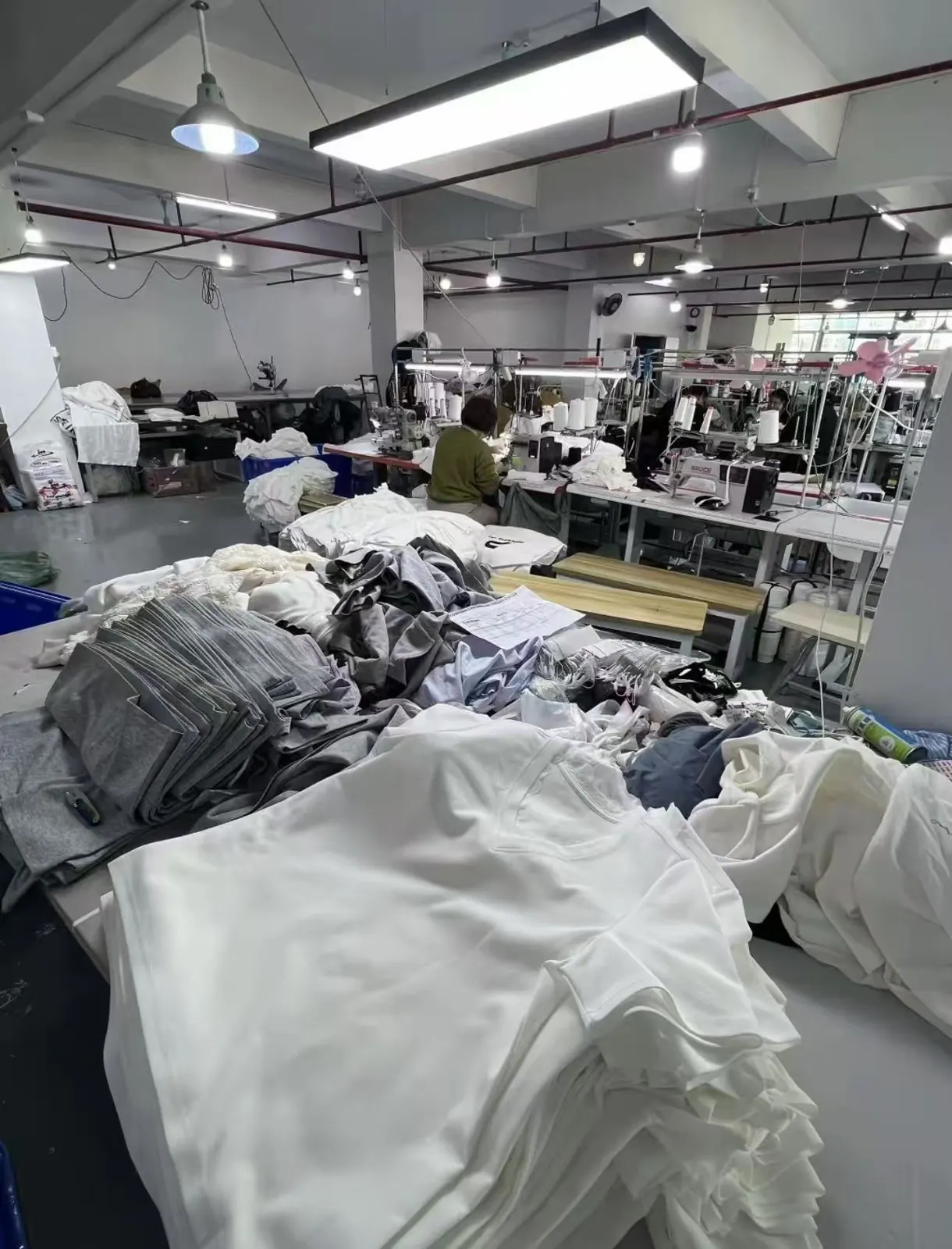
Which public holidays apply in China in 2027?
The General Office of the State Council announced the 2027 holidays on 5 November 2026. According to that notice:
| Holiday | Days off according to the State Council | Length |
|---|---|---|
| New Year's Day | 1 to 3 January | 3 days |
| Spring Festival (Chinese New Year) | 5 to 13 February | 9 days |
| Qingming (Tomb-Sweeping Day) | 3 to 5 April | 3 days |
| Labour Day | 1 to 5 May | 5 days |
| Dragon Boat Festival | 9 June | 1 day |
| Mid-Autumn Festival | 15 September | 1 day |
| National Day | 1 to 7 October | 7 days |
The Spring Festival, Labour Day and National Day are extended by make-up working days at weekends. For the spring these are named as Sunday 31 January, Sunday 14 February and Saturday 8 May. In those weeks many factories work normally on one weekend and take time off during the week instead. Check the full list of make-up days in the State Council's original text before you fix any dates.
When is Chinese New Year in 2027, and why does it matter so much?
The festival follows the lunar calendar and falls on 6 February in 2027. The official holiday arrangement begins on 5 February, and the Lantern Festival follows two weeks after New Year's Day.
For buyers, the holiday itself matters less than the weeks around it. Many workers travel to their home province before the festival, so numerous factories close earlier than the law requires. After the break, the whole workforce is not back on the first working day, and some employees change employer at this time. Suppliers of fabrics, trims and accessories have the same break, so the stages before production stand still as well.
Rule of thumb: expect limited or no production from about two to three weeks before the festival until about two to three weeks after it. Ask your factory early for its actual closure dates, because they differ from plant to plant.
What does this mean for order deadlines and production planning?
The early date in February 2027 moves the planning forward. Goods that need to be finished and shipped before the festival must be ordered, and the materials approved, in autumn 2026. If you order only in December, you run into the weeks in which factories fill their order books up to the closure and capacity can become tight.
- Goods before the festival: Plan backwards from your factory's closure date, not from 5 February. Samples, material approval and the deposit should be settled weeks earlier.
- Goods after the festival: Still place the order beforehand so that fabrics and trims are purchased. Allow for a ramp-up phase once the workforce returns.
- Payment dates: During the holidays your contacts in China are hard to reach. Make deposits and balance payments in good time beforehand.
The holidays in spring and autumn are shorter but they add up. For Labour Day and National Day, allow at least the official length and a few extra days as a buffer, because part of the workforce may return later.
How do the holidays affect samples and approvals?
For textiles, the sampling phase is the one most often underestimated. A sample goes through pattern cutting, sewing, shipping and your review, often over several rounds. Every round that falls in a holiday week takes correspondingly longer.
From our projects so far we know that samples often take much longer than promised. For caps, 15 days were announced and it took about a month. Build in a buffer even before you count any holidays.
- Start samples for the spring and summer collection early enough that the golden sample is approved before the factory closes for the New Year festival.
- For each sample round, add the holidays that fall within the period on top of the normal lead time.
- Give feedback quickly and in writing. A week of waiting on your side can push a sample past the break.
The approved sample later becomes the benchmark for running production. How that check works is described in our textile quality checklist.
How do the holidays change sea freight to Europe?
The holidays affect freight in two ways. First, customs, loading and departure take time, and forwarders and port operators also work at reduced capacity around the break. Second, there is often a rush shortly before the festival: many exporters want to get their goods onto a ship, and space can become tighter. After the festival, production restarts only slowly.
Rule of thumb: for port-to-port sea freight, allow roughly five to seven weeks to Northern Europe, plus lead time in China and delivery within Europe. The actual duration depends on carrier, route and the current situation. Have your forwarder confirm the schedule before you set a sales launch date. For goods that need to be in the warehouse in spring, this means production must be finished weeks before the New Year festival, otherwise the goods only go onto the ship after the festival.
If a date is critical, discuss part shipments or air freight for part of the quantity with your forwarder. That costs more, but it can prevent a missed sales launch.
What does a simple timeline for 2027 look like?
- By the end of November 2026: Define requirements for spring and summer, start samples, ask the factory for its closure dates.
- December 2026: Approve samples, order material, pay the deposit.
- December to January 2027: Production and inline inspection. Schedule checks so that defects can still be fixed before the factory closes.
- After the festival: Wait for the workforce to return, allow for a ramp-up phase, carry out the final inspection before loading.
- Spring to autumn: Allow a buffer for Qingming, Labour Day, the Dragon Boat Festival, the Mid-Autumn Festival and the Golden Week in October.
These are guide values, not commitments. Every factory has its own holidays and its own workload. Whether your order fits the time window is something to clarify with the manufacturer before you set the sales launch. If you would like support with this, use the enquiry form.
Sources
- General Office of the State Council of the People's Republic of China: notice on the 2027 holidays (国办发明电〔2026〕10号), 5 November 2026, reproduced by Xinhua and Guangming Daily
- Studycli: The 2027 Chinese Holiday Calendar (cross-check of the dates)
Frequently asked questions
When is Chinese New Year in 2027?
The Spring Festival falls on 6 February 2027. According to the State Council, the statutory holiday runs from 5 to 13 February.
How long does production stop around the New Year festival?
Many factories close for much longer than the nine statutory days. As a rule of thumb, expect several weeks of reduced production before and after the festival, and ask your factory for its actual closure dates.
When are the Golden Weeks in 2027?
Labour Day is a holiday from 1 to 5 May, and National Day from 1 to 7 October. Make-up working days at weekends are added.
By when do I need to order for goods before the New Year festival?
Plan backwards from your factory's closure date. Samples, material approval and the deposit should be settled weeks earlier, which for a February deadline means autumn 2026.
Co-Founder · Beijing
Felix Sander
Your contact for new brands and coordination with manufacturers. He brings together product requirements, samples and quality directly on site. He studied at Beijing Foreign Studies University and Montgomery College and previously worked in green coffee trading.